
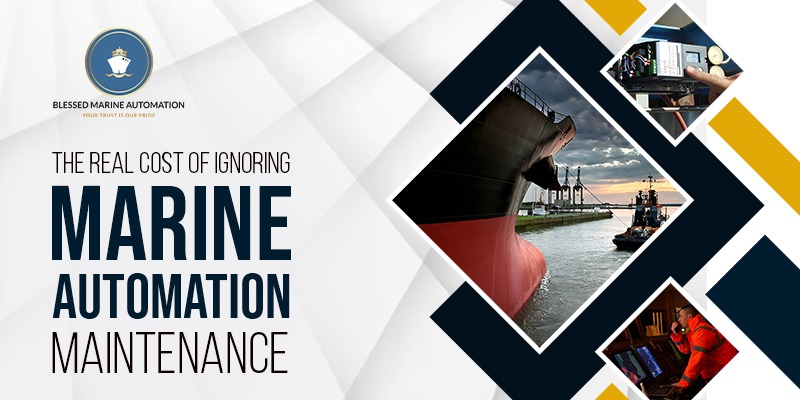
Modern vessels rely heavily on ship automation systems to manage navigation, propulsion, power distribution, cargo operations, safety monitoring, and communication. These systems improve efficiency, reduce human error, and help ship operators maintain compliance with international maritime regulations. However, many vessel owners and managers overlook a critical aspect of operational reliability regular maintenance of marine automation systems.
Ignoring maintenance may seem like a cost-saving decision in the short term, but the reality is quite different. The hidden expenses associated with neglected automation systems can quickly escalate into costly repairs, operational disruptions, safety incidents, and compliance issues. Regular maintenance is essential to keep automation systems functioning efficiently and to avoid unexpected breakdowns.
Why Marine Automation Maintenance Matters
Today’s vessels operate using interconnected automation systems that monitor and control critical shipboard functions. These include engine control systems, alarm monitoring systems, power management systems, ballast water treatment systems, gas detection systems, propulsion controls, and navigation equipment. When properly maintained, these systems help improve vessel safety, optimize fuel consumption, and reduce downtime.
However, automation systems are not immune to wear and tear. Sensors can drift out of calibration, PLCs can develop faults, communication networks can fail, and control systems can become outdated. Without preventive maintenance, small issues can develop into major operational problems.
The Hidden Costs of Ignoring Ship Automation Maintenance
- Increased Vessel Downtime
One of the most significant consequences of neglected automation systems is unexpected vessel downtime. A failure in a critical automation component can bring operations to a halt, resulting in missed schedules, delayed cargo deliveries, and financial losses.
Modern automation systems provide diagnostic capabilities and predictive maintenance alerts that help identify potential issues before they become failures. Without routine inspections and testing, operators lose this advantage and face higher risks of emergency breakdowns.
- Expensive Emergency Repairs
Minor automation issues are often inexpensive to fix when detected early. However, when left unresolved, these problems can lead to major equipment failures that require extensive repairs or complete component replacement.
Investing in scheduled marine automation services is significantly more cost-effective than dealing with emergency repair situations.
- Safety Risks for Crew and Vessel
Automation systems play a vital role in vessel safety. Alarm monitoring systems, engine shutdown systems, fire detection systems, gas detection systems, and propulsion controls are designed to protect both crew and equipment.
When maintenance is ignored, these safety-critical systems may fail to detect hazards or respond appropriately during emergencies. Automation technologies help reduce human error and improve operational safety, but only when they are properly maintained and tested.
- Higher Fuel and Energy Consumption
A poorly maintained automation system can negatively impact fuel efficiency. Engine monitoring systems, power management systems, and energy optimization controls rely on accurate data and proper calibration to achieve optimal performance.
Faulty sensors, outdated software, or malfunctioning control systems may cause engines and auxiliary equipment to operate inefficiently, leading to higher fuel consumption and increased operating costs. Regular maintenance ensures systems continue to perform at peak efficiency.
- Compliance and Inspection Failures
Maritime regulations require vessels to maintain critical systems in proper working condition. During inspections, surveys, and audits, automation-related deficiencies can result in non-conformities, detention risks, or costly corrective actions.
Routine maintenance helps ensure compliance with classification society requirements and international maritime standards. Vessel operators who prioritize preventive maintenance are better prepared for inspections and regulatory audits.
- Reduced Equipment Lifespan
Automation equipment represents a substantial investment. PLCs, sensors, monitoring systems, control panels, and communication networks are designed for long-term operation, but their lifespan depends heavily on maintenance practices.
Neglecting maintenance accelerates component wear and increases the likelihood of premature equipment failure. Preventive maintenance extends the life of automation assets while reducing replacement costs over time.
Common Automation Systems That Require Regular Maintenance
Several critical systems onboard require scheduled inspections and servicing:
- Engine Control Systems
- Alarm Monitoring Systems
- Power Management Systems
- Gas Detection Systems
- Ballast Water Treatment Systems (BWTS)
- Cargo Monitoring Systems
- Fire Detection and Alarm Systems
- PLC Control Panels
- Propulsion Control Systems
- Navigation and Communication Systems
Regular testing, calibration, software updates, fault diagnostics, and component inspections help ensure these systems remain reliable and efficient.
Conclusion
The true cost of ignoring marine automation maintenance goes far beyond repair expenses. Unplanned downtime, operational disruptions, safety risks, increased fuel consumption, and compliance issues can significantly impact a vessel’s performance and profitability. Regular maintenance helps ensure automation systems remain reliable, efficient, and ready to support critical onboard operations.
By adopting a proactive maintenance approach, vessel owners can extend equipment lifespan, reduce operational risks, and avoid costly failures at sea. At Blessed Marine Automation, we provide expert ship automation services, inspections, troubleshooting, and preventive maintenance solutions to help vessels operate safely and efficiently.
Contact our team today for reliable marine services to keep your systems running smoothly and help your vessel operate safely and efficiently on every voyage.